
One Company. Every Scope. Why It Matters More Than You Think.
Most renovation contractors do one thing well.
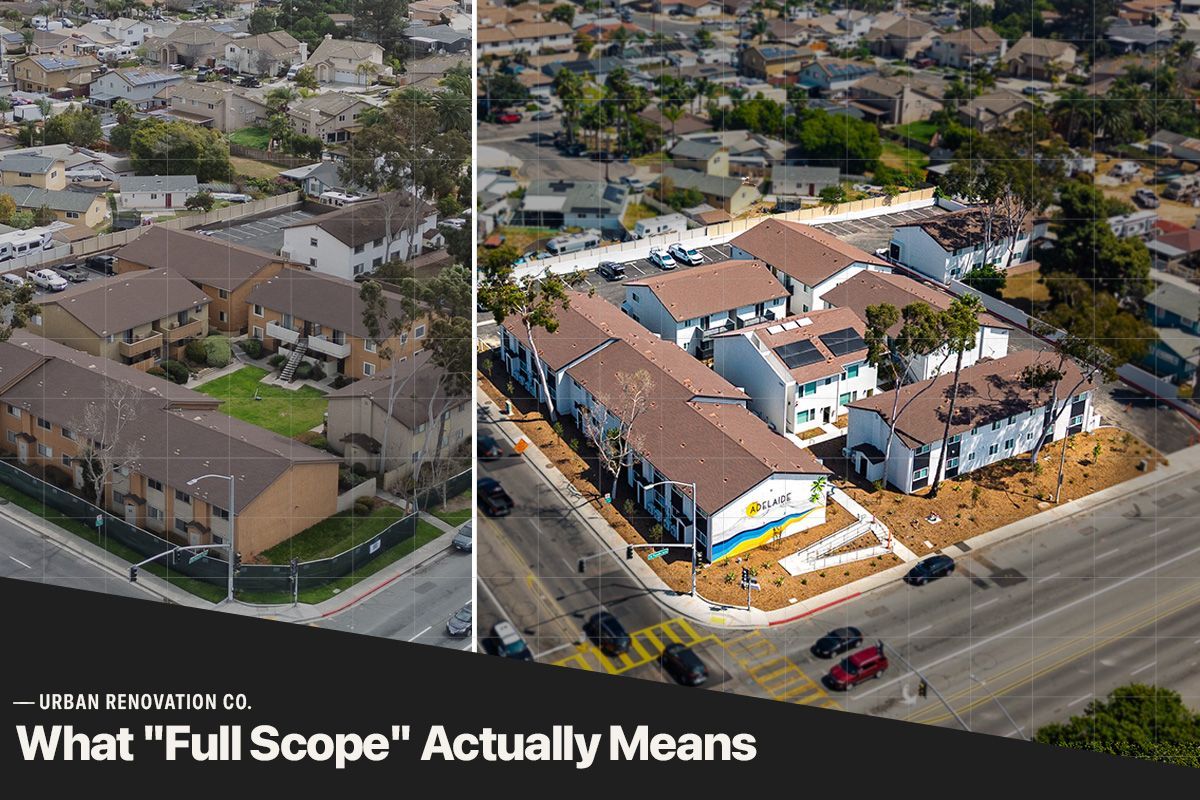
Interior specialists hand off to exterior teams. Exterior teams hand off to roofers. Every handoff is a coordination gap. Every coordination gap is a potential delay, a miscommunication, or a change order the property owner did not see coming.
URC is structured differently. We execute across all four service lines through one company and one point of contact.
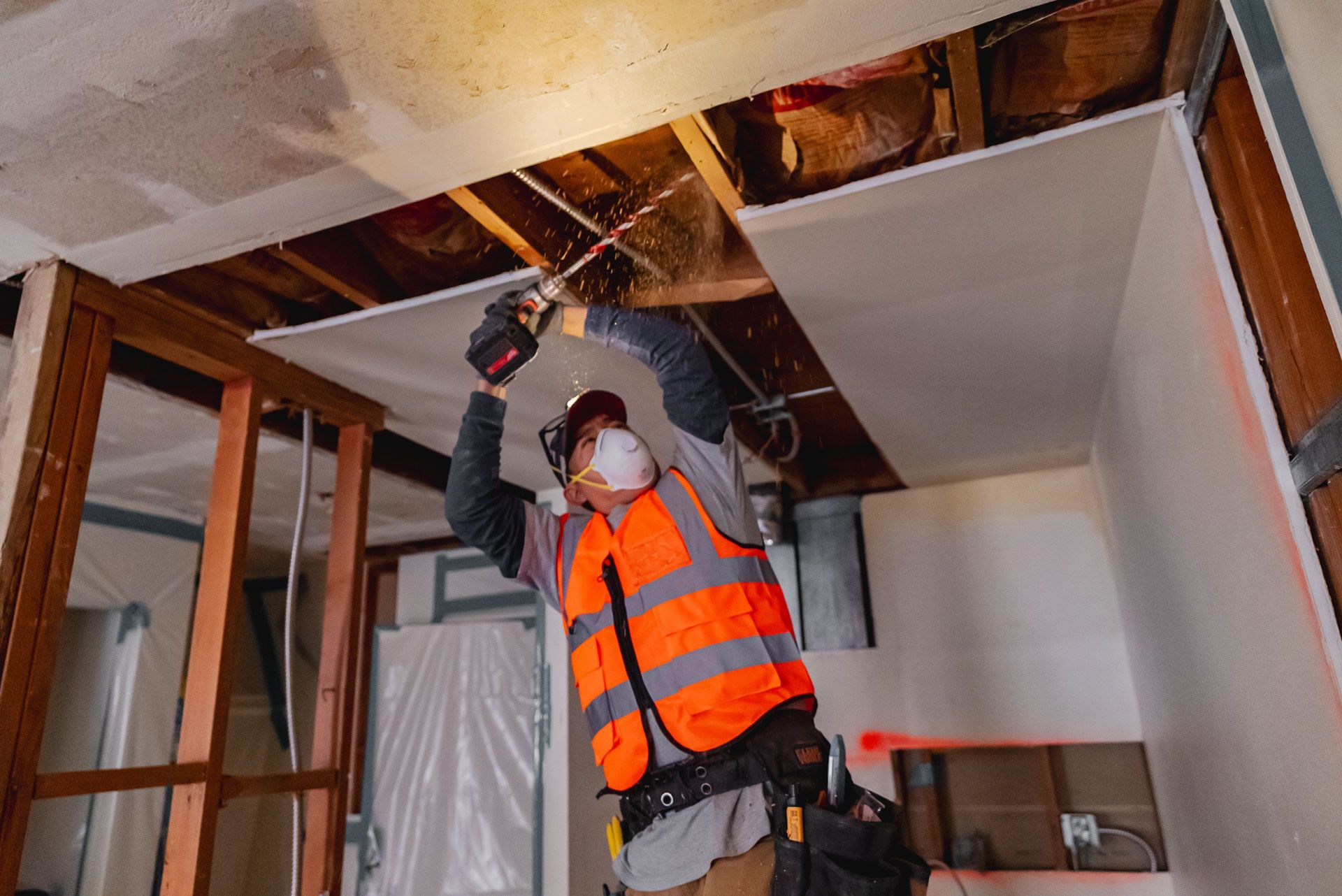
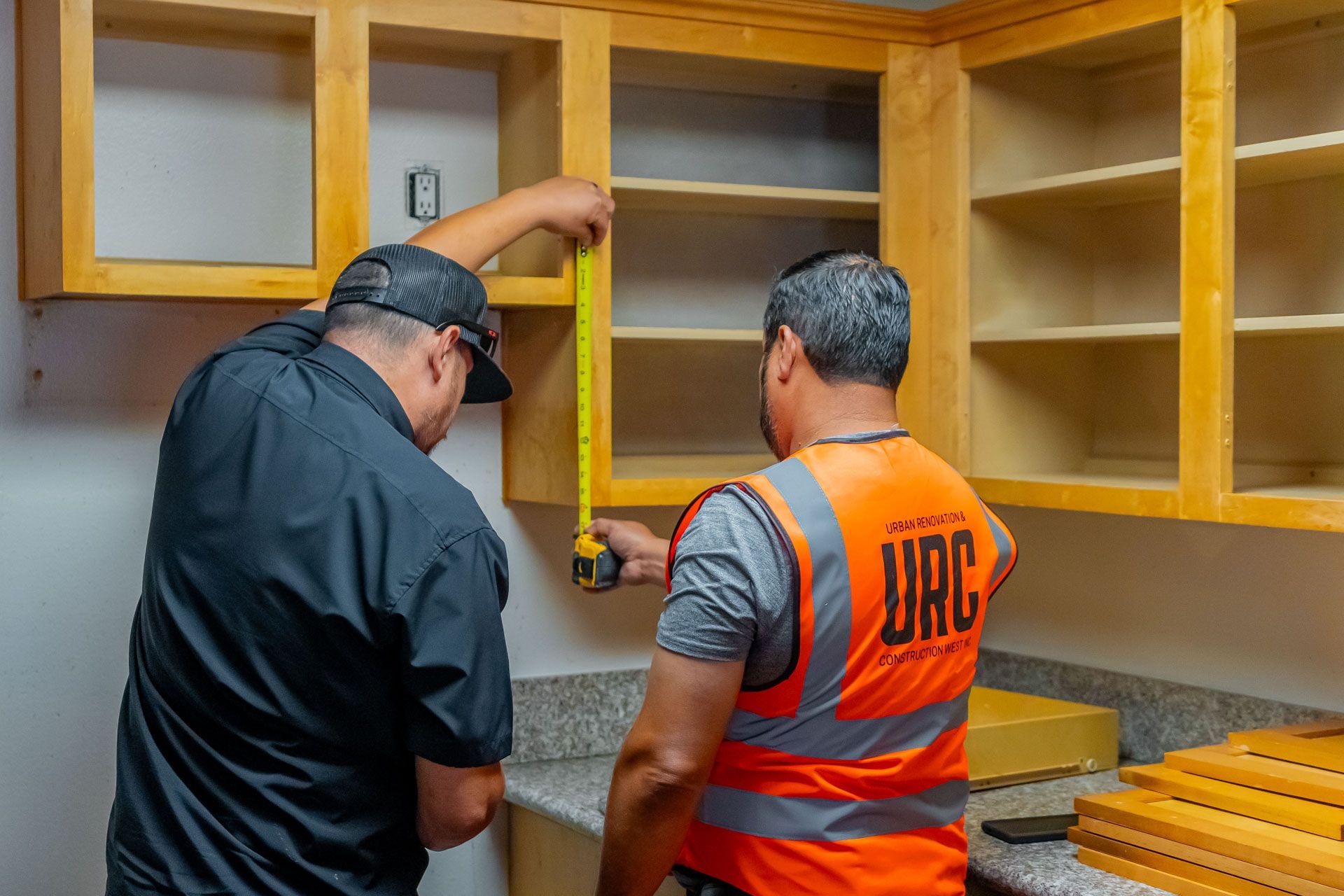
Interior renovations. Exterior wood and structural repairs. Exterior paint, coatings, and waterproofing. Roofing.
That is not a marketing position. It is an operational structure that produces measurably different outcomes for property owners running complex capital programs.
What single-partner delivery actually changes
When a property owner sources four service lines from four different contractors, they take on four sets of schedules, four billing relationships, and four points of potential failure. When scope overlaps between trades, nobody owns the gap. When a delay in one scope affects another, the coordination burden falls on the owner's team.
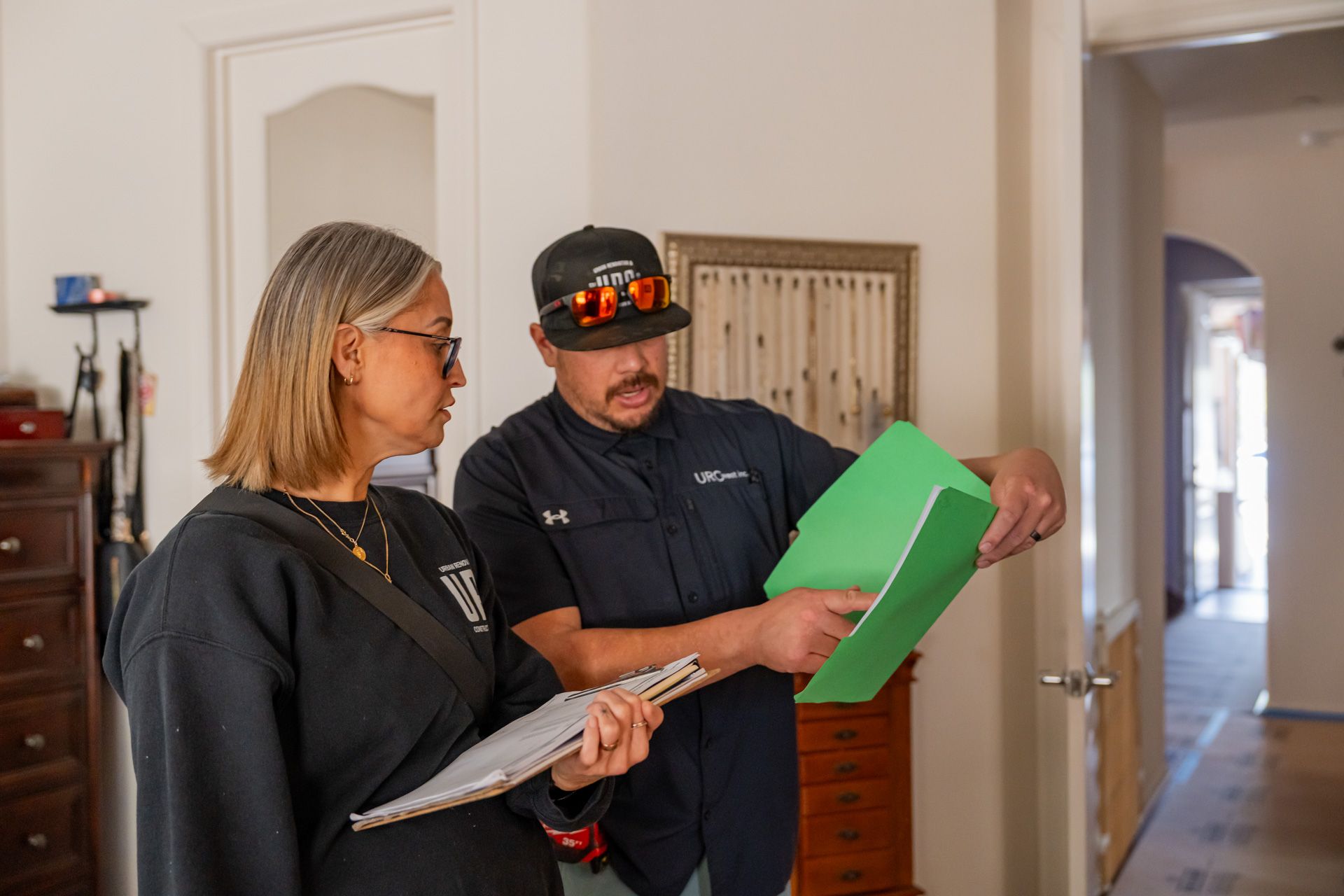
When the same company manages all four scopes, the dynamic changes. Schedule conflicts are resolved internally. Scope gaps are caught before they become change orders. One project manager owns the outcome across the entire program. The owner makes one call.
For an institutional operator running a full property redevelopment across multiple buildings and multiple asset types, that difference is not marginal. It is the difference between a renovation program that runs predictably and one that requires constant management.
The bundled pricing advantage
There is also a financial argument for full-scope delivery. When an owner sources each scope independently, each contractor builds their own mobilization, their own overhead, and their own margin into the bid. When URC delivers all four scopes as one company, the overhead is shared, the mobilization happens once, and the blended rate is more competitive than sourcing each scope separately.
Every exterior-only client is a conversation about interior capability. Every interior-only client is a conversation about roofing. The more scope URC manages, the more value the client gets per dollar spent.
The bottom line
If you are running a capital improvement program on a multifamily asset and you are currently managing multiple renovation contractors, it is worth having a conversation about what full-scope delivery looks like in practice.