
Nine Promotions From Within in 2025. Why That Number Matters More Than You Think.
Building From Within: Why URC's Promotion Track Record Matters to Clients

On the surface, a company's internal promotion track record looks like an HR story. In construction, it is something more than that.
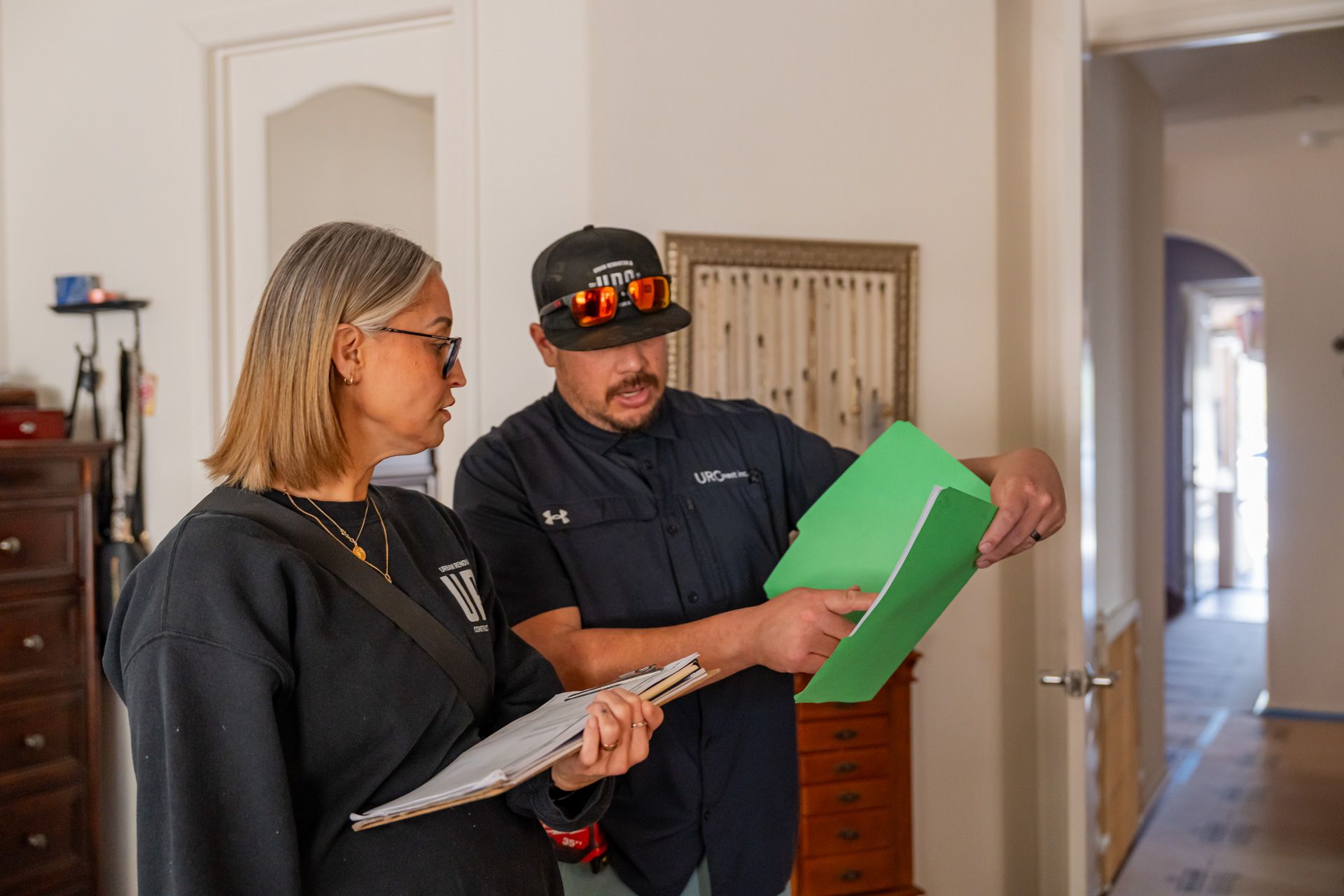
In 2025, URC promoted nine employees from within. Superintendents became project managers. Project managers took on larger programs. Field leadership grew into regional roles. That progression is intentional, and its implications for institutional clients are more significant than they might appear.
What consistent field leadership actually means for property owners
Institutional clients who have worked with URC across multiple projects know something that is harder to quantify than cycle time or pricing: the team is consistent. The superintendent who managed the first building knows how the program works. The project manager who handled the initial scope has the institutional knowledge to manage the expanded one. The people on site are not whoever happened to be available. They are people who have been developed inside the URC system and who carry real accountability to the standard that institutional clients expect.
When a renovation contractor's field leadership turns over frequently, the client absorbs the cost. Every new superintendent needs time to understand the property. Every new project manager needs time to understand the client's expectations. That ramp-up time has a cost, and it almost always shows up in cycle time variability and quality inconsistency.
URC's internal development model is a direct response to that problem. We hire people who want to grow. We develop them deliberately. And we promote from within because the best people for the next job are usually the people who already know how we work.
What this means as URC goes national
As URC expands into new markets, the field leadership going into those markets is not new to the company. The project managers and superintendents entering each new market are people who have been developed inside the URC system and who carry the same execution standard that earned URC's institutional relationships in the first place.
That is not accidental. It is how we intend to scale.