
Hallways, Common Areas, and the Work Nobody Puts in the Brochure.
Not every project is a big one. Not every one needs to be.
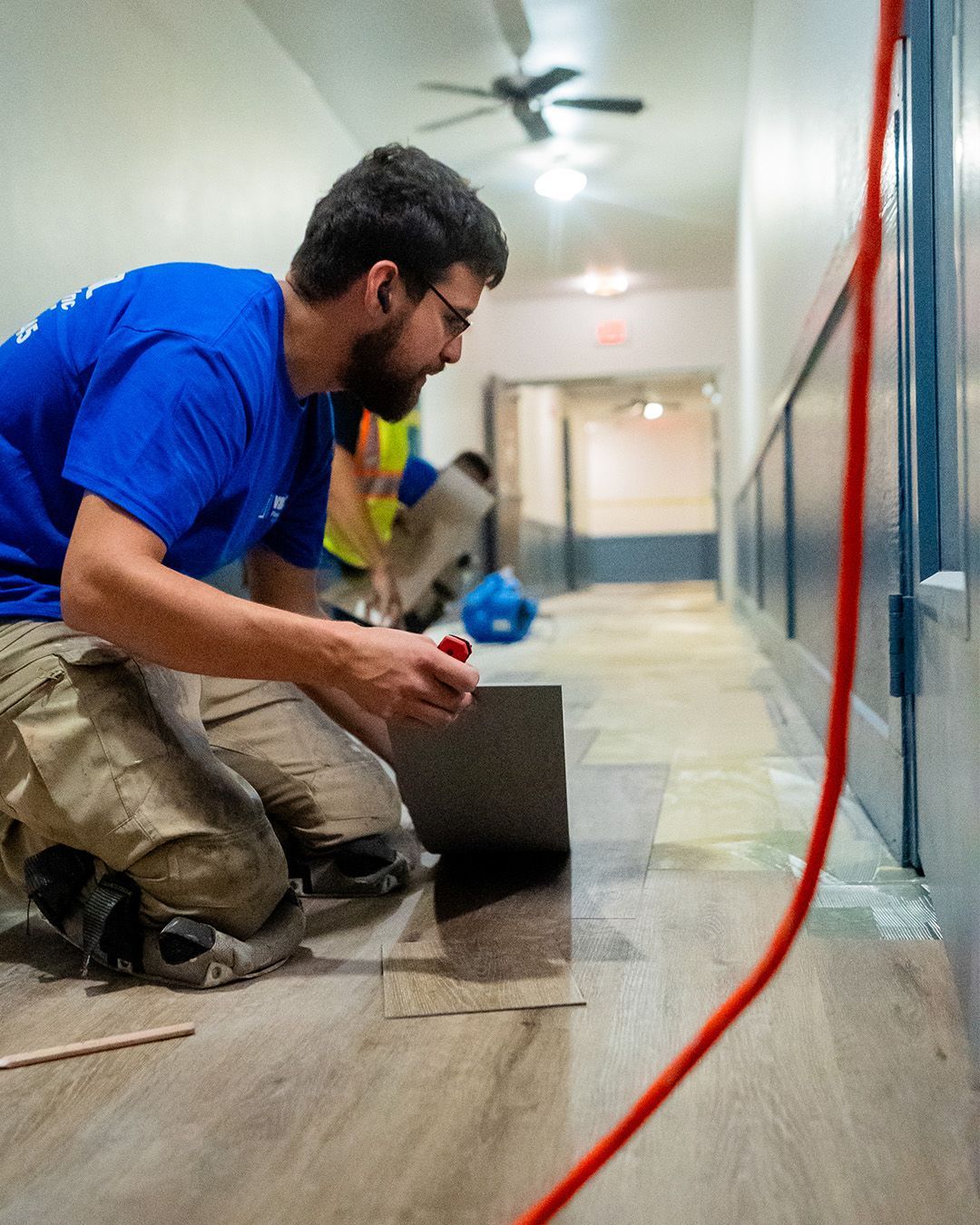
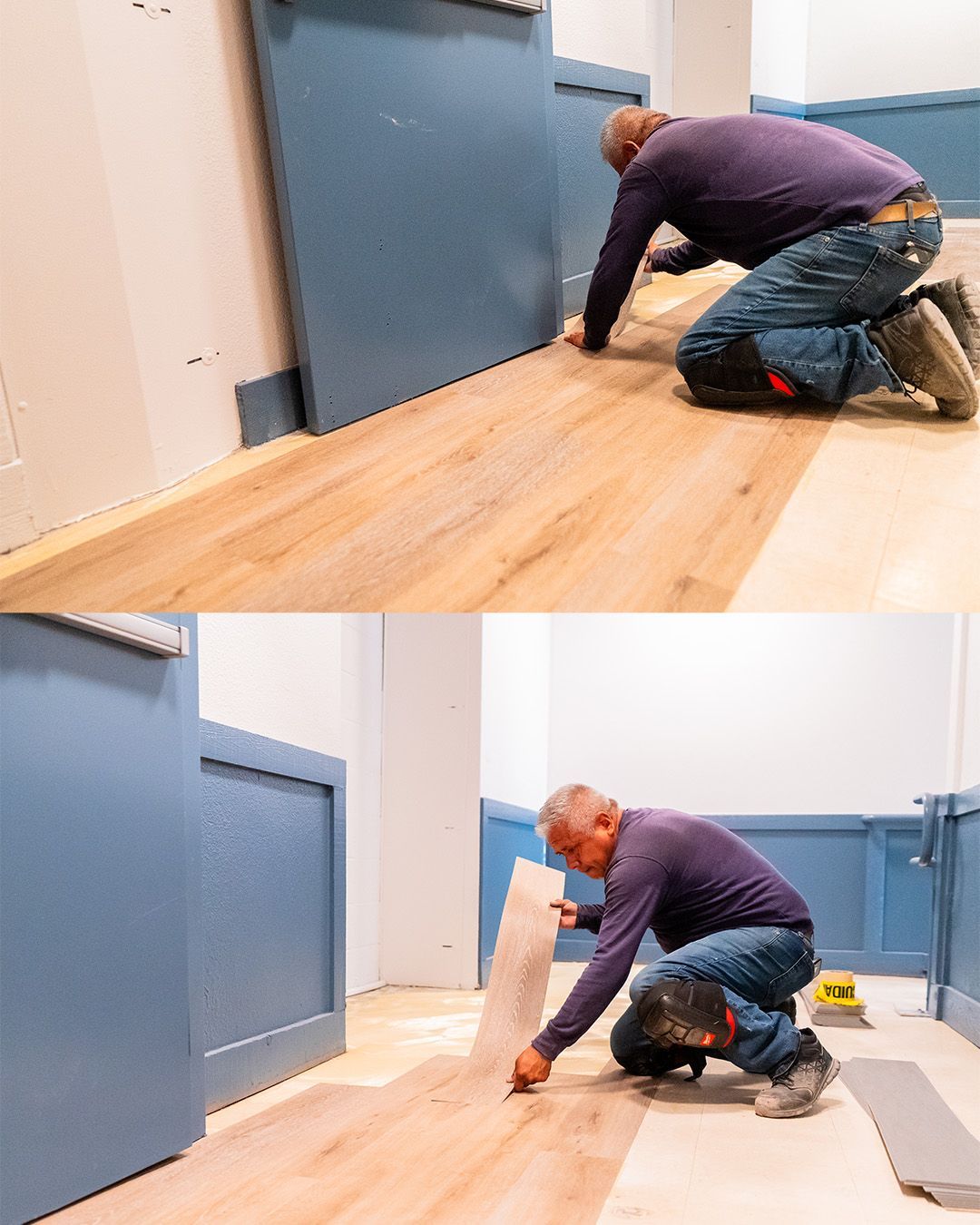
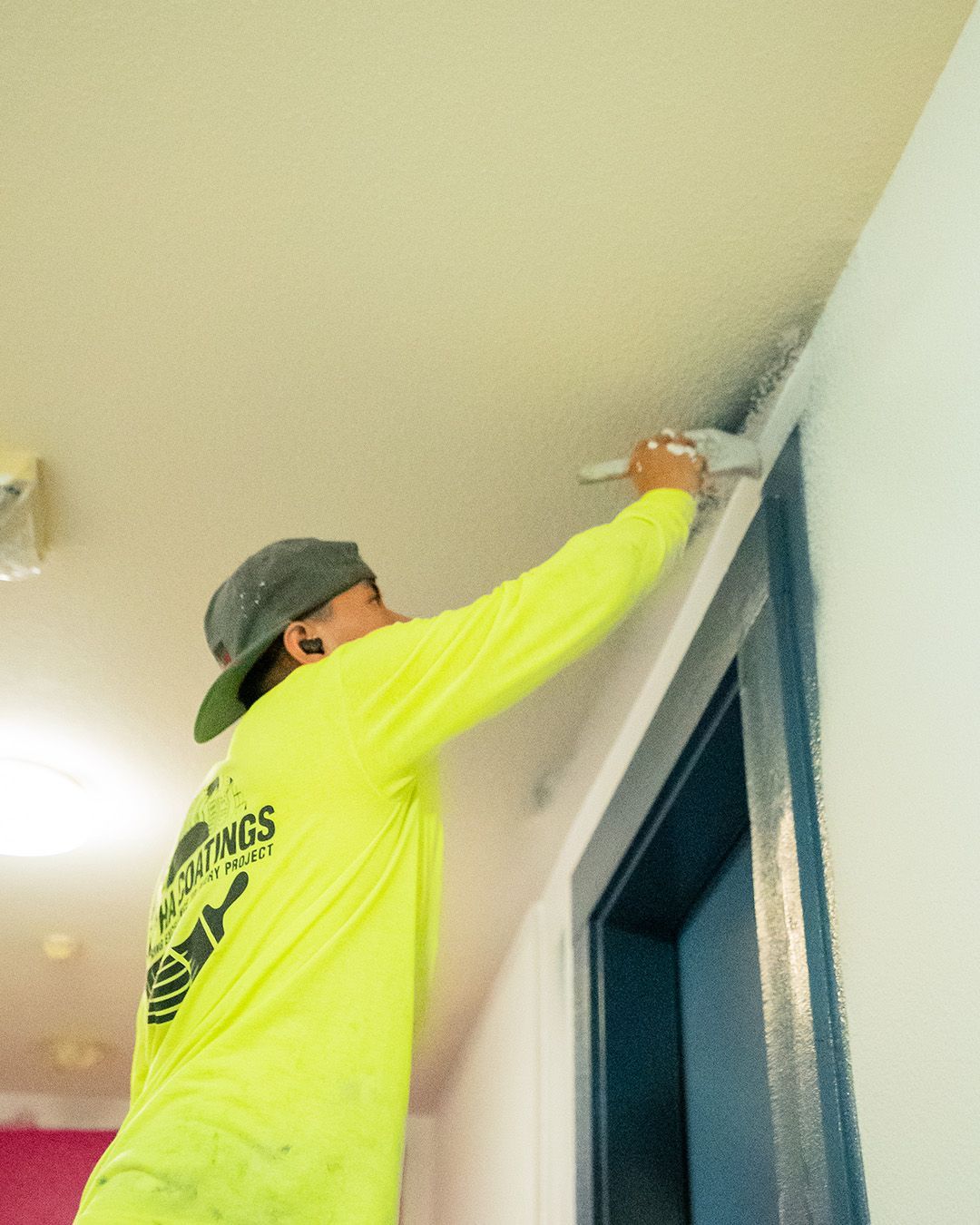
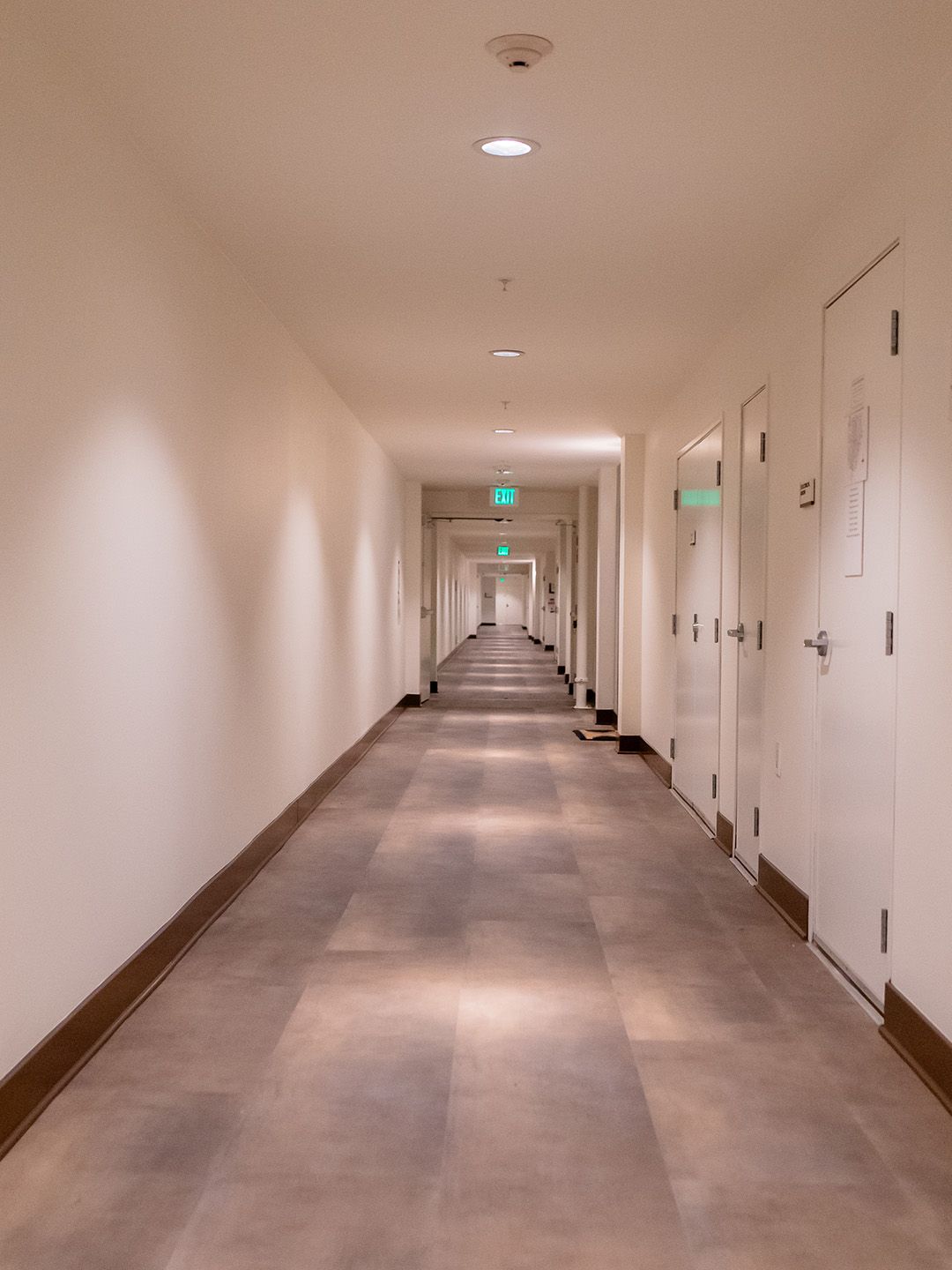
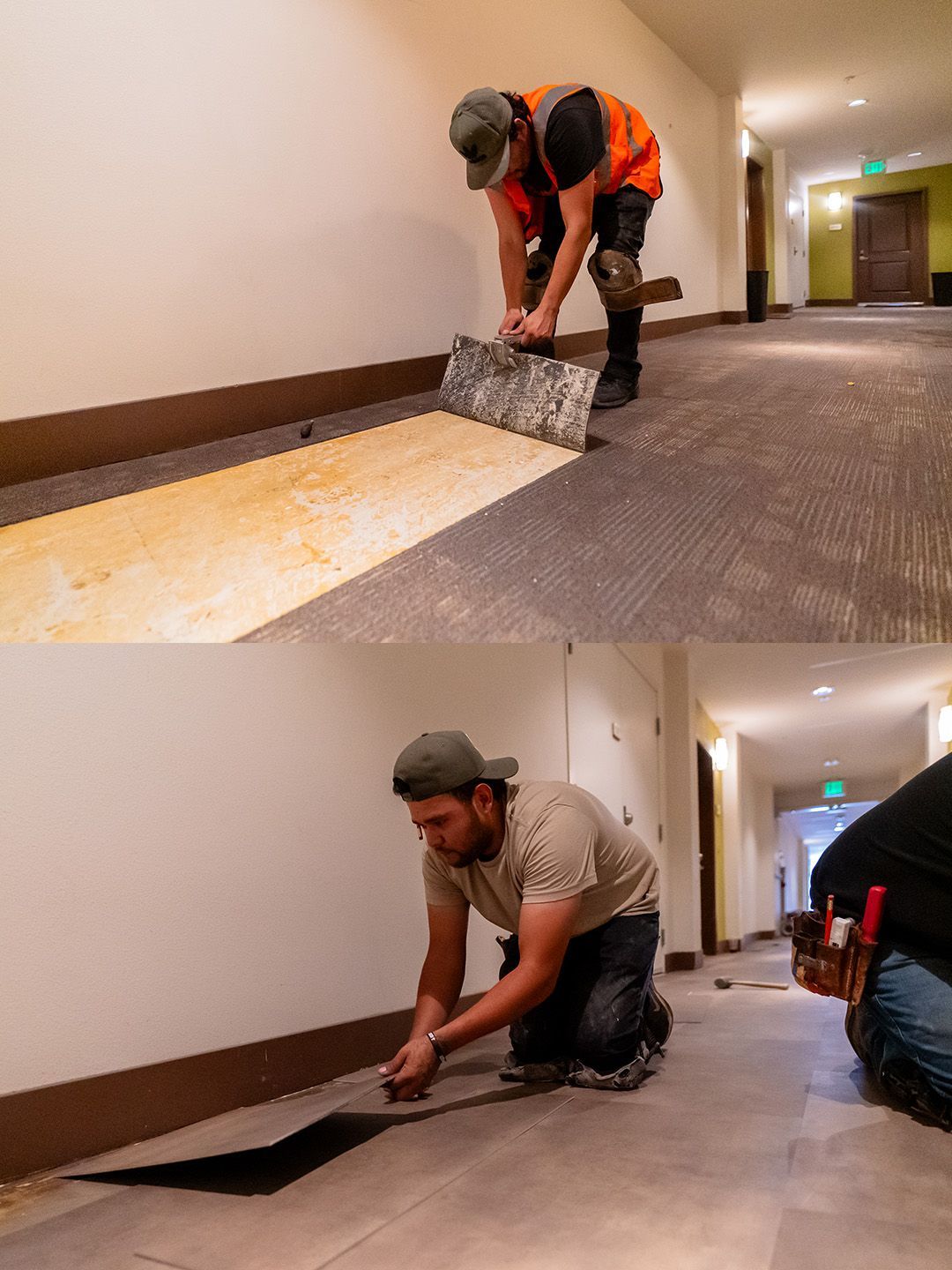
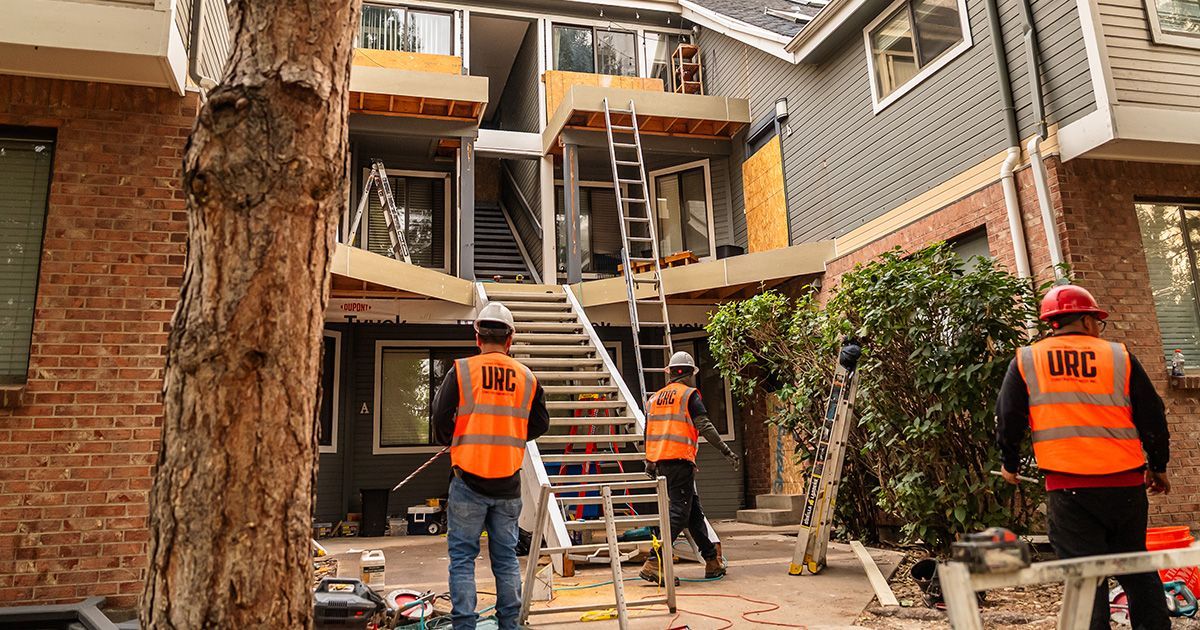
This year URC has taken on a run of projects that fall outside our typical scope. Hallways. Corridors. Common areas. Lobbies and amenity spaces that sat on the deferred list for years because they were never anyone's emergency. They aren't the largest programs we run. We showed up the same way we always do.
Here's why that work matters more than its square footage suggests.
Residents live in the whole building
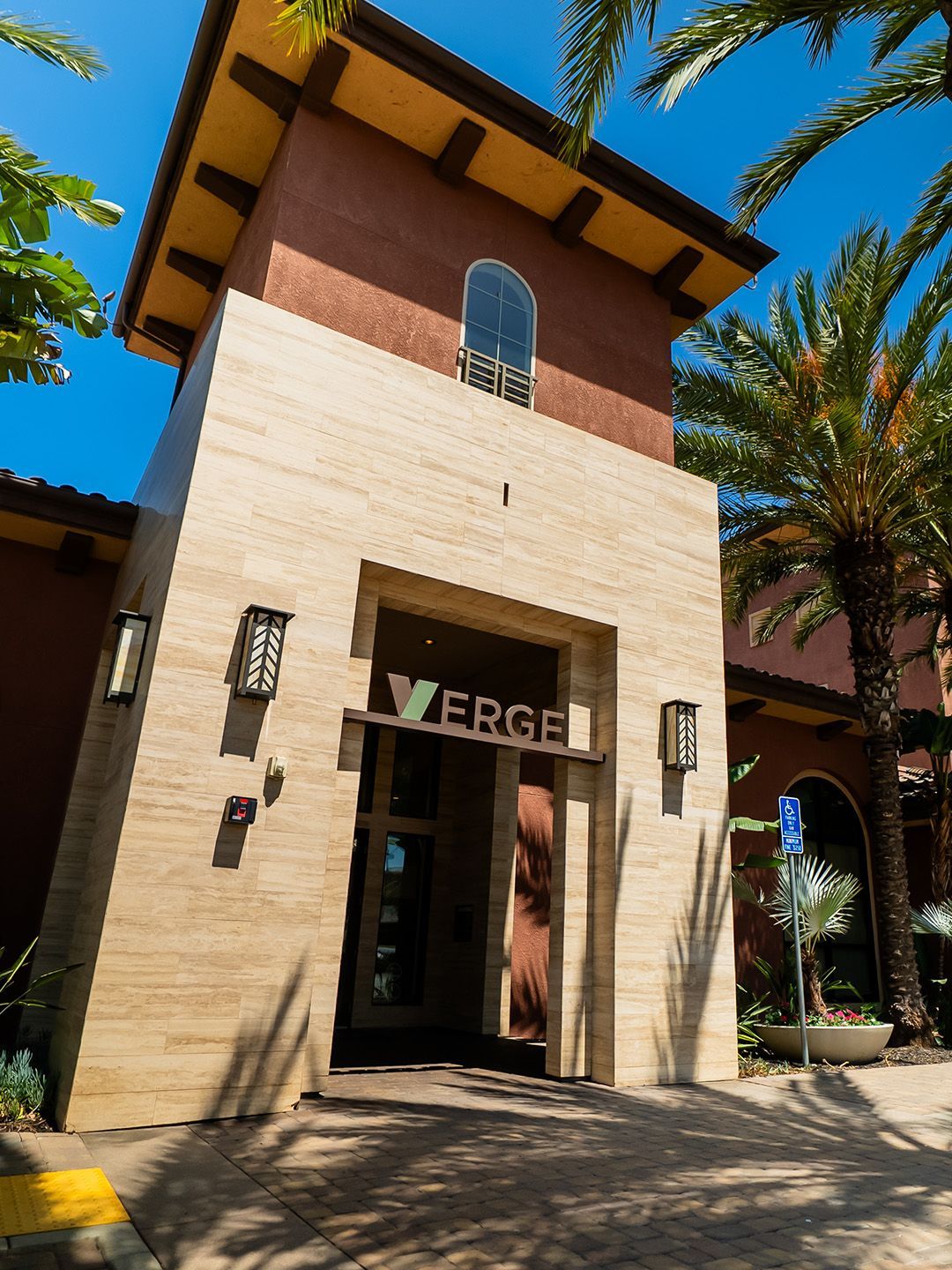
A renovated unit with a worn hallway outside the door is a mixed message. Residents walk the corridor before they ever touch the new countertops, and prospective residents tour the lobby before they see a floor plan. The spaces between the units set the expectation for everything behind the doors.
For owners running a value-add strategy, that gap shows up in the numbers. Renovated units in a tired building rent below renovated units in a building that feels finished. Common areas are often the cheapest square footage on the property to improve relative to the impression they create.
Why contractors overlook this work
Small scopes don't fit most contractors' business models. The margins are thinner, the mobilization is the same, and there's no headline number at the end. So the hallway work gets bid reluctantly, scheduled around bigger jobs, and finished whenever.
We take a different view. A portfolio relationship means the client calls one number for what the property needs, whether that's 300 units or one lobby. Saying "too small" to the hallways is saying "partially" to the partnership, and partially isn't how we work.
The quiet advantage
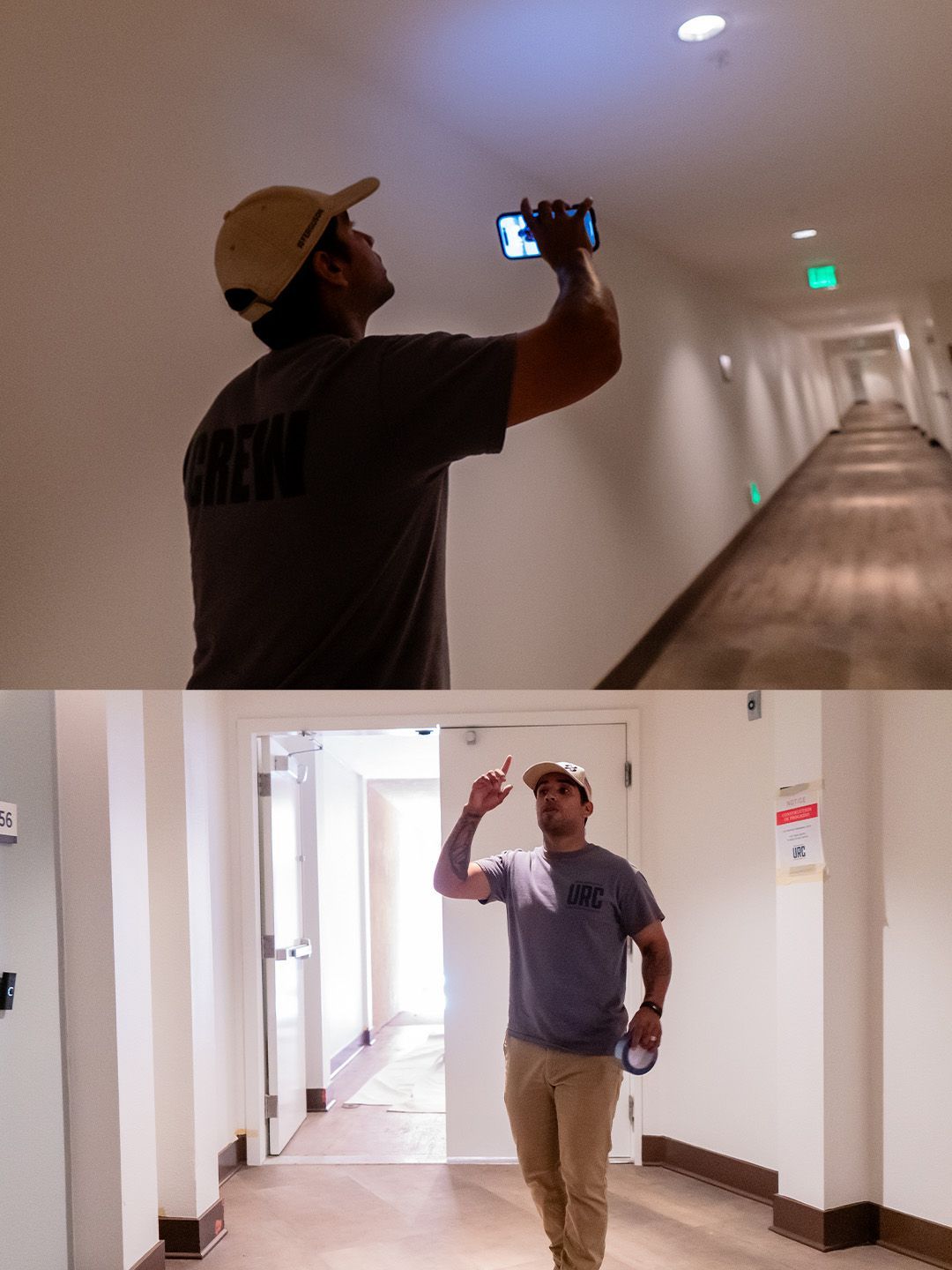
There's also a practical reason owners hand us the small scopes: we're already there. The same team that knows the property from unit renovations carries the common area work without a new contractor learning the building, a second mobilization, or another point of contact to manage. One team, one standard, every space on the property.
The overlooked spaces are still part of the asset. We treat them that way.
Have a property with a deferred list that keeps getting longer? Tell us about your portfolio. hello@urbanrenovation.com