
13-Day Turns in a Brand-New Market. Here Is How That Happens.

Kaley Williams • November 18, 2026

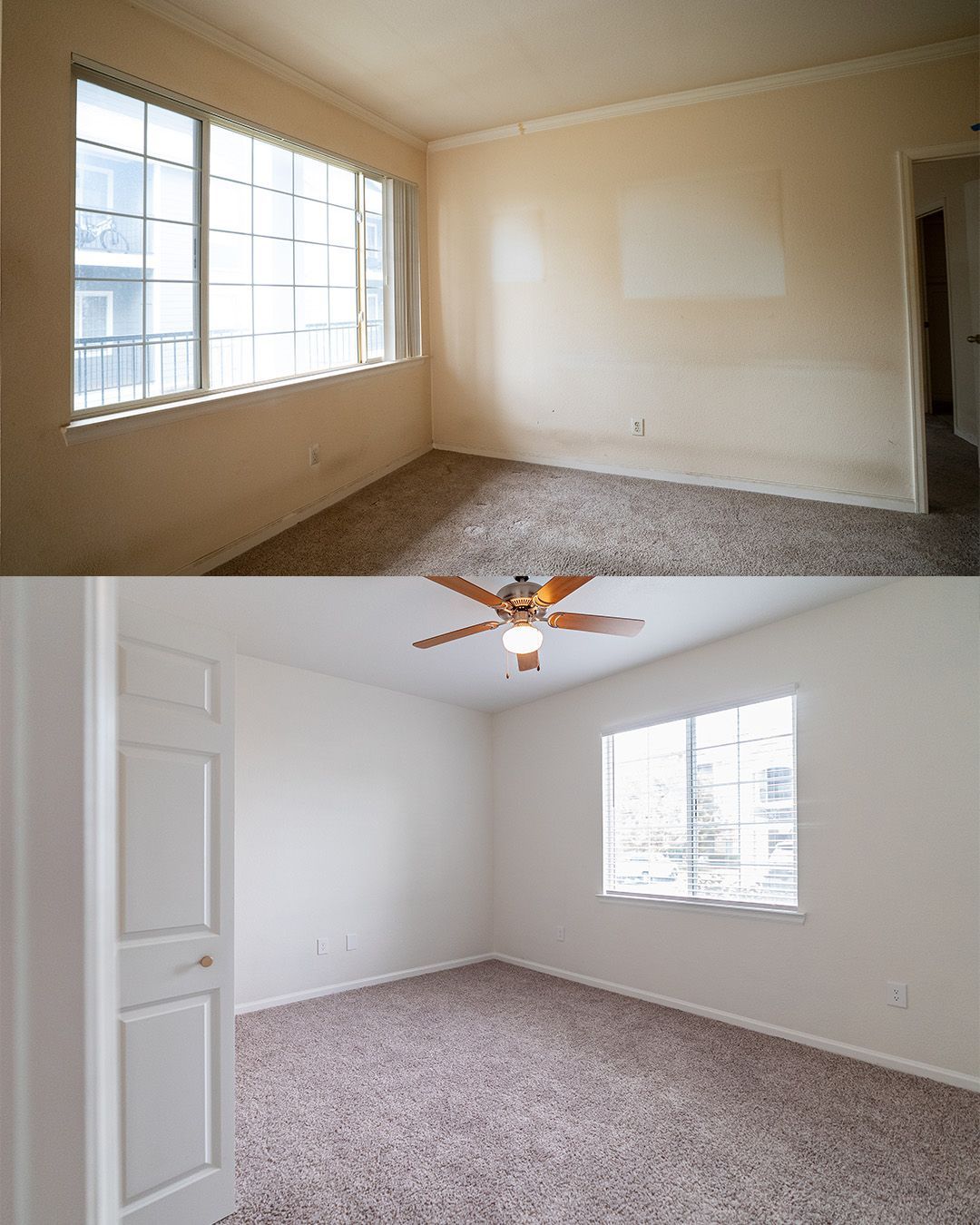
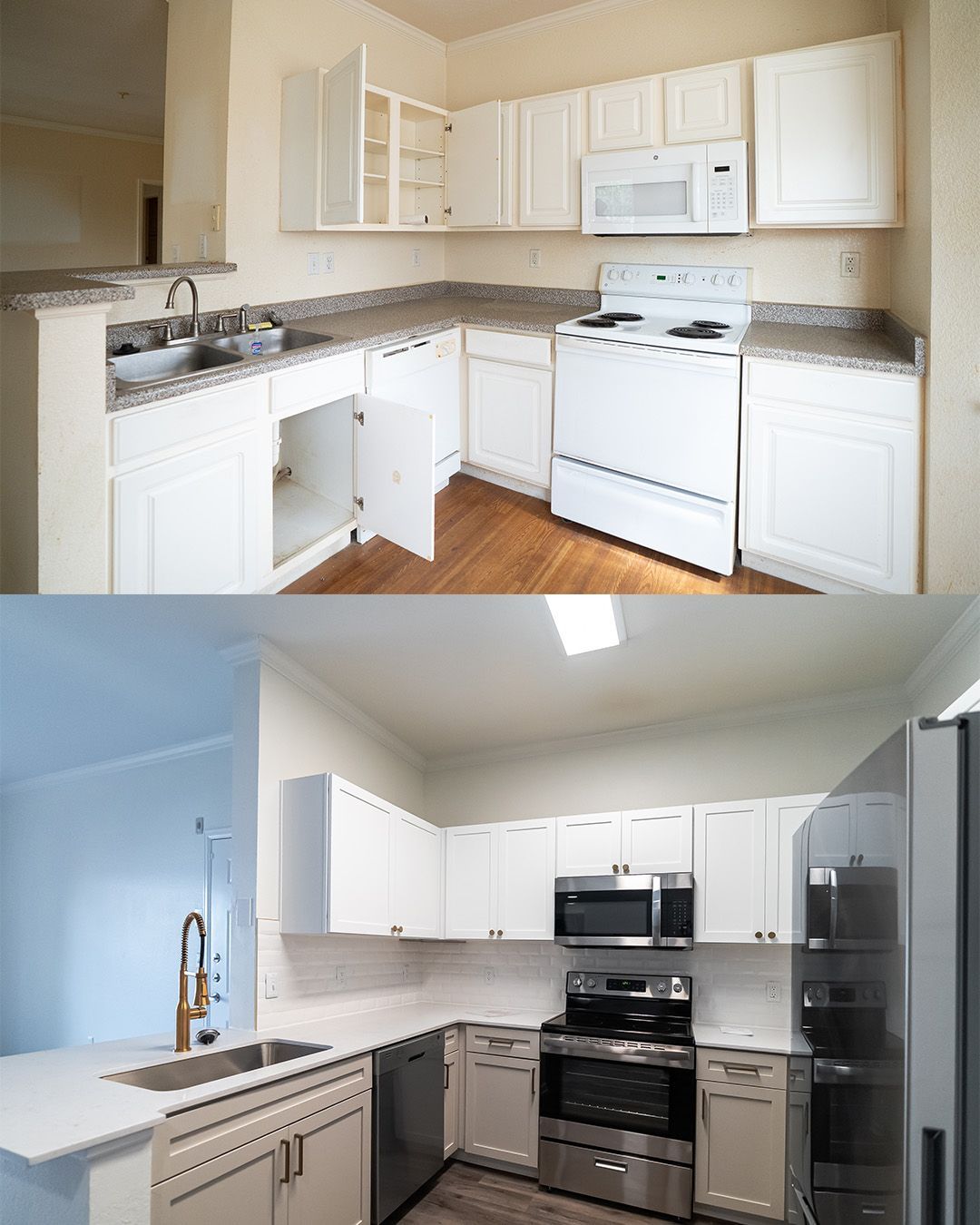
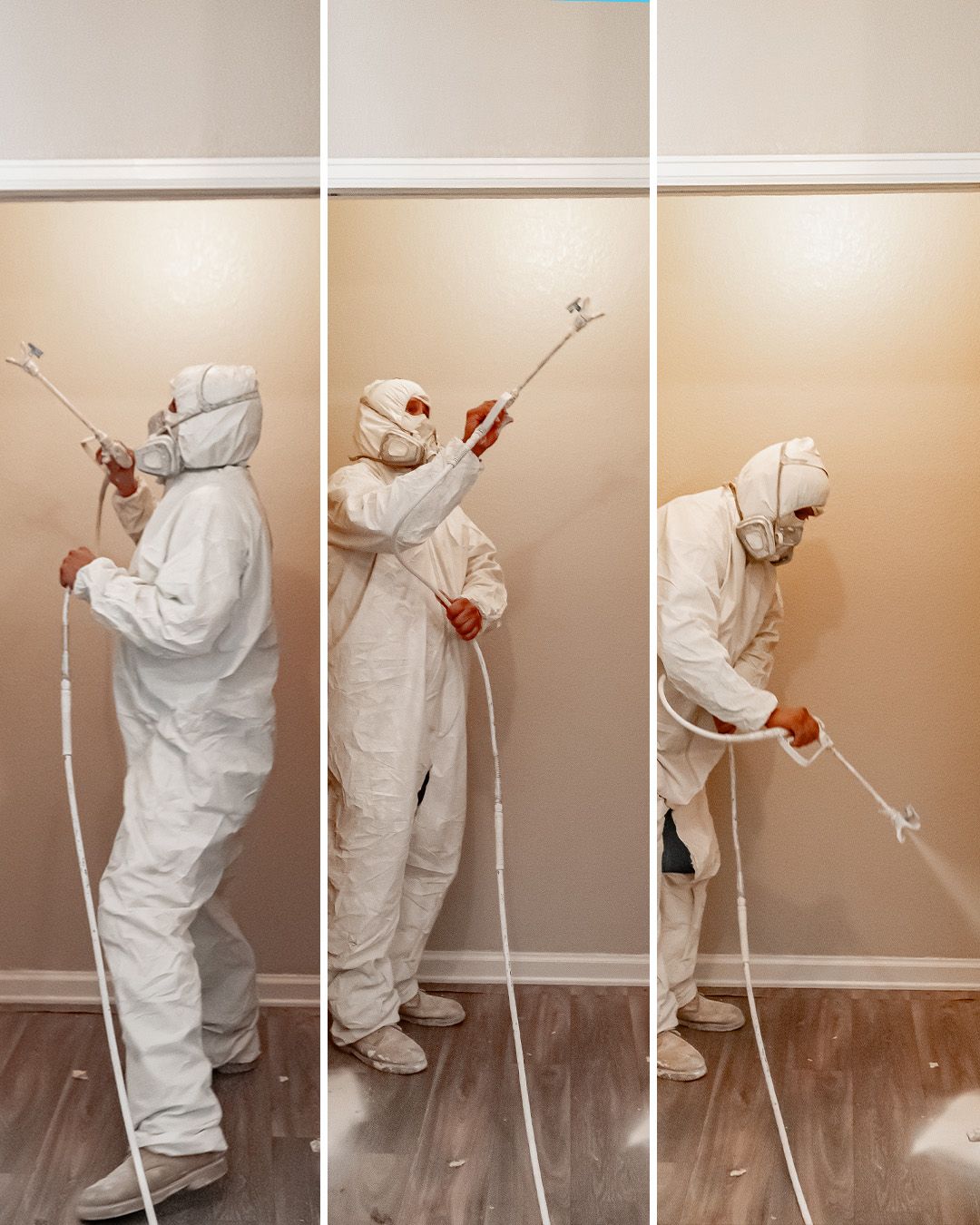
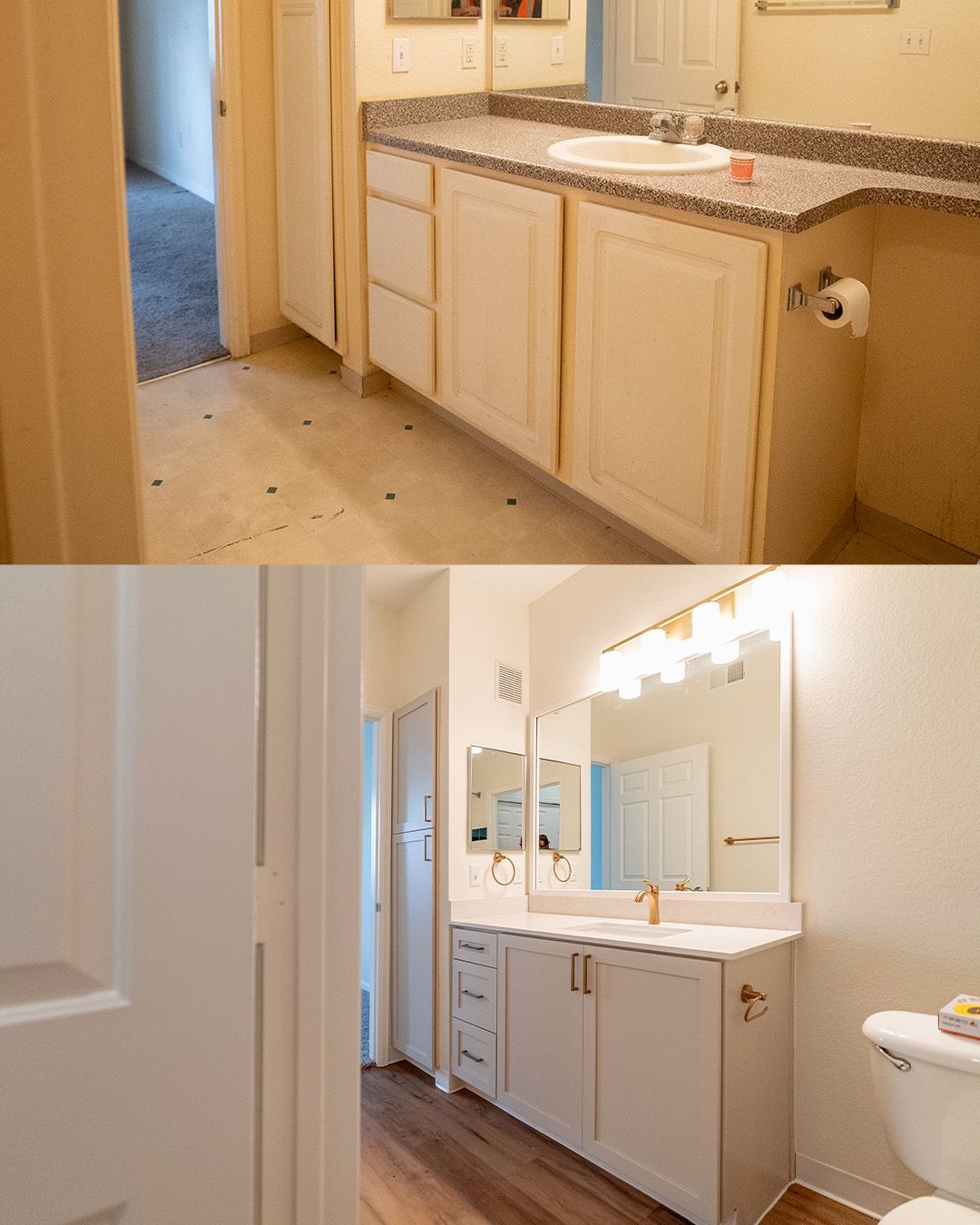
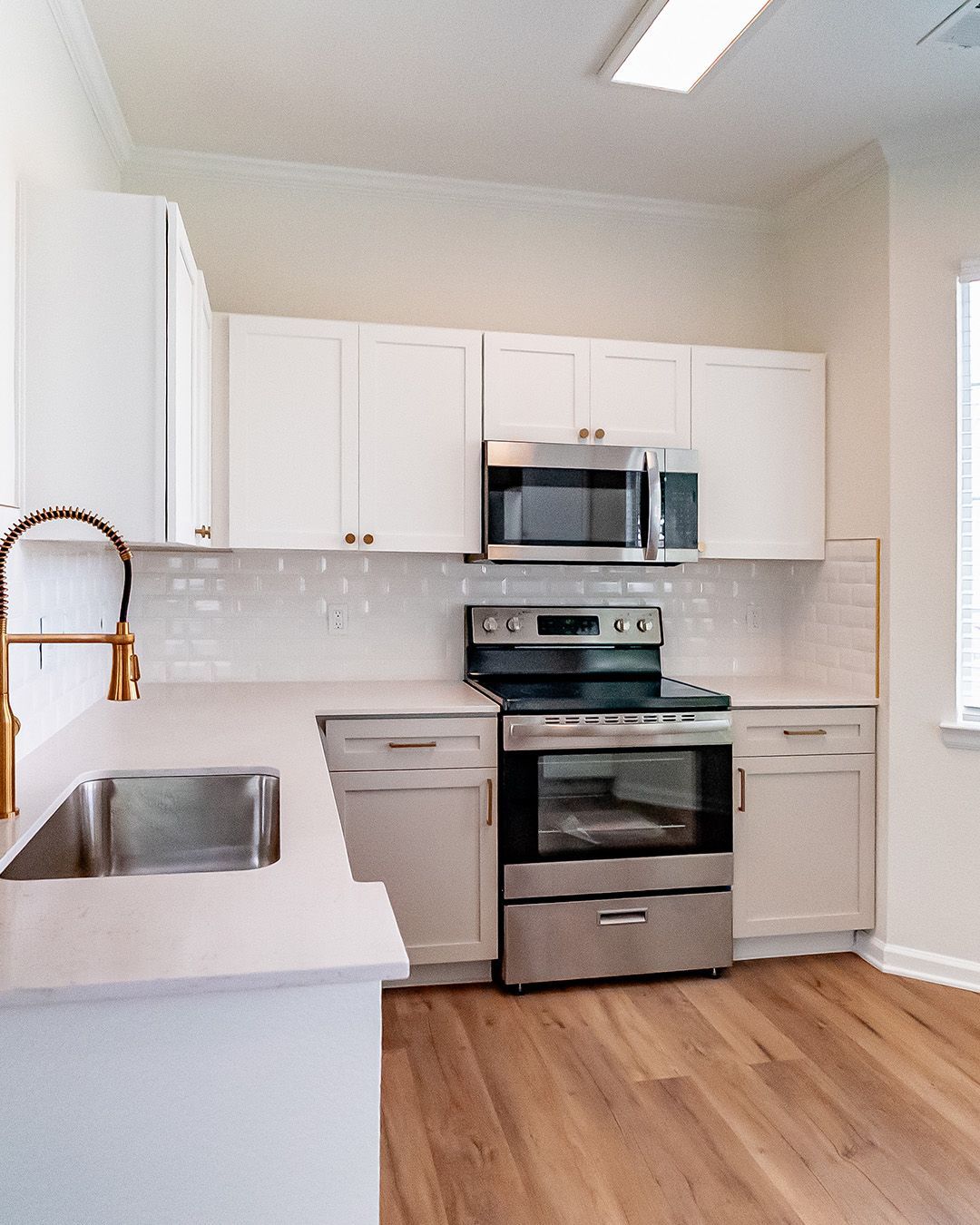
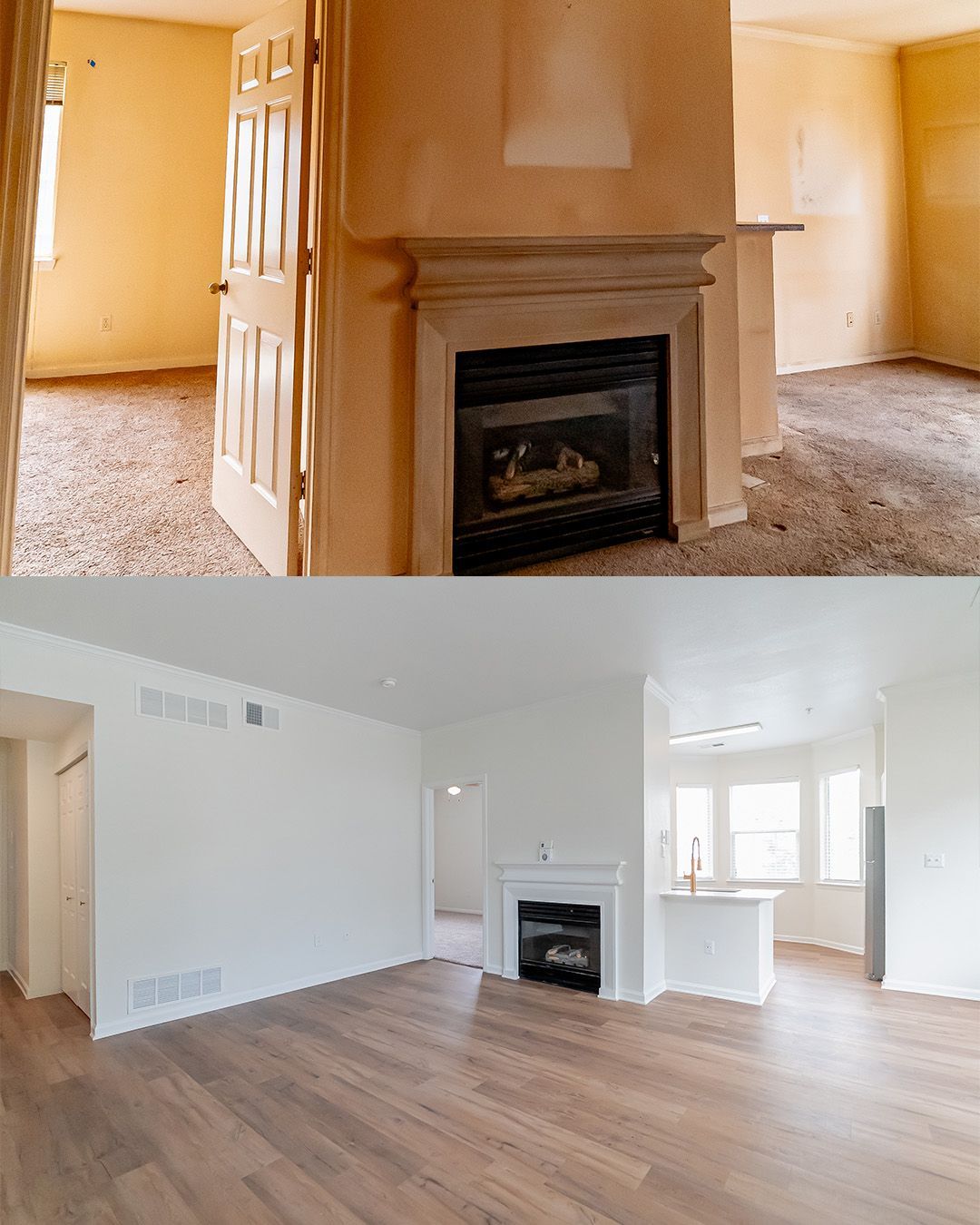
Dove Valley, Colorado is one of URC's newest markets. The program there: 312 units across 6 floor plans, full interior treatment in every one. Flooring, paint, countertops, cabinet fronts, fixtures, smart thermostats, smart plugs, and kitchen pony wall demolition to open up the floor plans.


The number that matters: those units are turning in 13 days.


For context, the industry norm for an interior renovation cycle runs 25 to 35 days. URC's standard across all markets runs 10 to 17. Dove Valley isn't just inside our standard, it's at the strong end of it, in a market we entered recently.


Why new markets usually mean slow starts


When most contractors enter a new market, the first year is an apology tour. New subcontractors who haven't learned the standard. New supply chains that miss deliveries. A learning curve the client ends up paying for in cycle time, and cycle time is money: every day a unit sits offline is rent the owner never gets back.


That learning curve is exactly what institutional owners are pricing in when they hesitate to bring a proven contractor into a new region. It's a fair concern. It's also solvable, and Dove Valley is the proof.


How the standard travels


URC enters markets the same way every time. Senior leadership deploys directly, not a franchise, not a licensed name on a truck. The local subcontractor base gets qualified before volume ramps, not after. Scope, materials, and sequencing run through the same systems and the same proprietary tracking as every other URC market. And we only scale once execution is proven repeatable.


The result is what Dove Valley shows: a new zip code performing like an established one, from the early units onward. Same standard. Different map pin.


Why this matters beyond Colorado


URC is expanding nationally, east included, and the question every owner in a new region fairly asks is whether the performance travels with the name. Dove Valley is the recent answer, and it's the same answer Park Kiely has been giving in San Jose for over a decade: the standard is the product, and it ships.


If your portfolio has units waiting on a renovation partner, wherever they are, tell us about it. hello@urbanrenovation.com
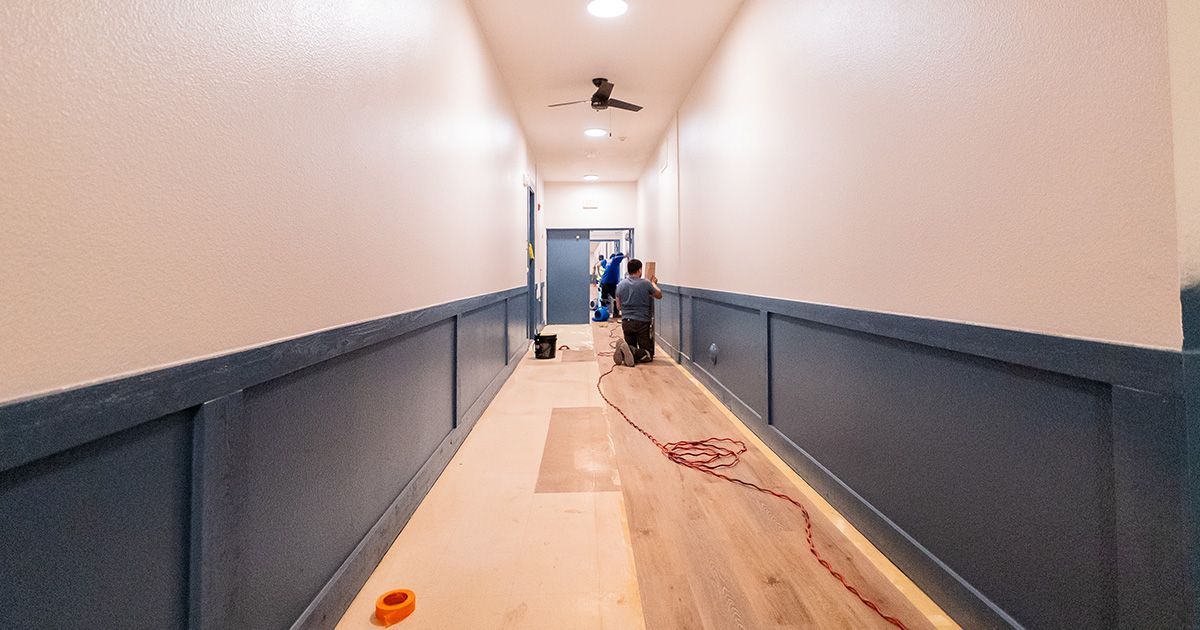
Long hallway under renovation with blue wainscoting, floor boards, and tools near a worker at the far end
By Kaley Williams • November 25, 2026
Not every project is a big one. Not every one needs to be. This year URC has taken on a run of projects that fall outside our typical scope. Hallways. Corridors. Common areas. Lobbies and amenity spaces that sat on the deferred list for years because they were never anyone's emergency. They aren't the largest programs we run. We showed up the same way we always do. Here's why that work matters more than its square footage suggests. Residents live in the whole building A renovated unit with a worn hallway outside the door is a mixed message. Residents walk the corridor before they ever touch the new countertops, and prospective residents tour the lobby before they see a floor plan. The spaces between the units set the expectation for everything behind the doors. For owners running a value-add strategy, that gap shows up in the numbers. Renovated units in a tired building rent below renovated units in a building that feels finished. Common areas are often the cheapest square footage on the property to improve relative to the impression they create. Why contractors overlook this work Small scopes don't fit most contractors' business models. The margins are thinner, the mobilization is the same, and there's no headline number at the end. So the hallway work gets bid reluctantly, scheduled around bigger jobs, and finished whenever. We take a different view. A portfolio relationship means the client calls one number for what the property needs, whether that's 300 units or one lobby. Saying "too small" to the hallways is saying "partially" to the partnership, and partially isn't how we work. The quiet advantage There's also a practical reason owners hand us the small scopes: we're already there. The same team that knows the property from unit renovations carries the common area work without a new contractor learning the building, a second mobilization, or another point of contact to manage. One team, one standard, every space on the property. The overlooked spaces are still part of the asset. We treat them that way. Have a property with a deferred list that keeps getting longer? Tell us about your portfolio. hello@urbanrenovation.com
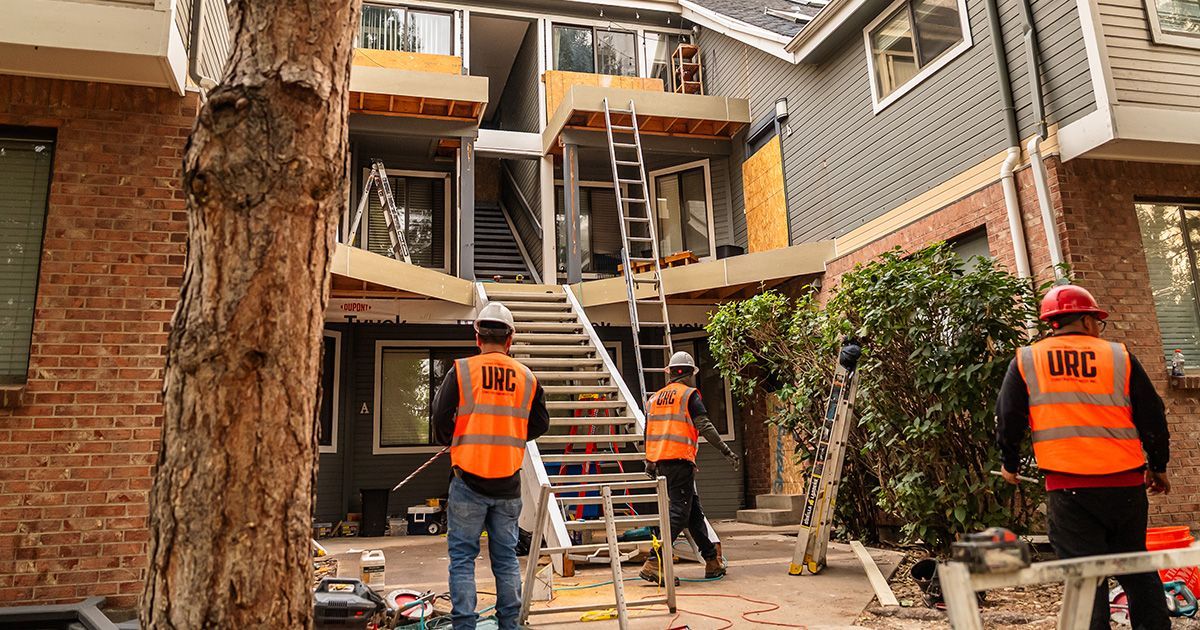
Workers in orange safety vests assess storm damage at a damaged building with a ladder and debris.
By Kaley Williams • November 12, 2026
292 units, 33 buildings, 50,000 SF of waterproofing, and 200 landings replaced. Inside URC's full exterior restoration of an occupied Colorado community.
Let's talk

We're ready where you are.

Whether you are managing an active portfolio or planning your next acquisition, URC is ready to be your renovation partner. Tell us about your project and we will be in touch.


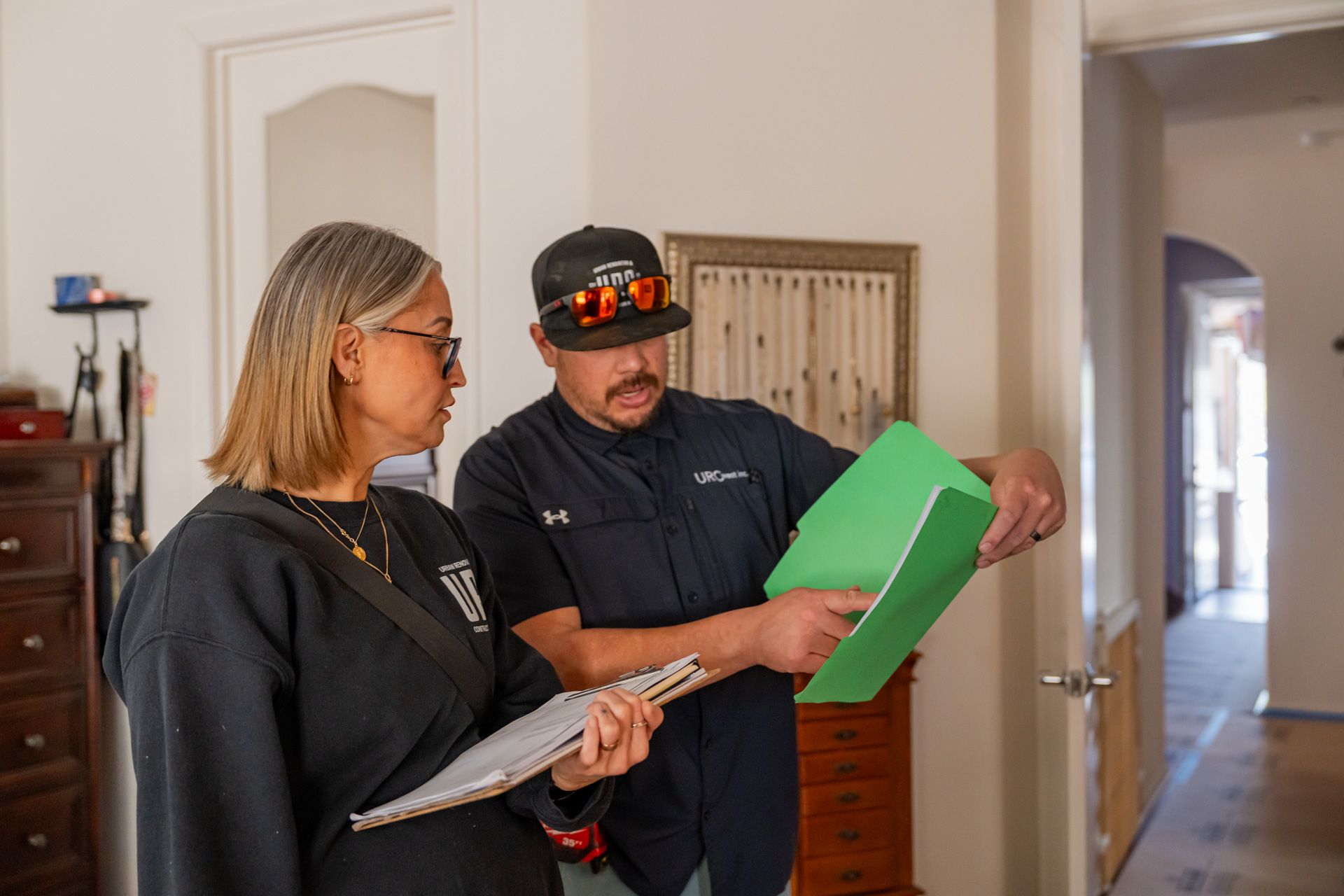
Two people reviewing documents in a home hallway, one holding a green folder and the other a clipboard.